Best Bottomless Portafilter: Fit Check and 4 Picks
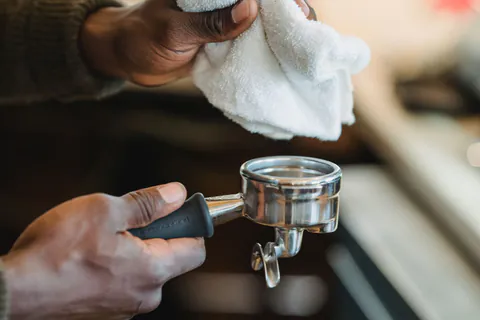
Best bottomless portafilter: check your machine's size first, then four 54 mm and 58 mm picks (Normcore, MiHeeHome, KOFIKOFI) and the models they name.
Every BaristaBetter guide in one place: buying advice, ratios, cleaning and fixes for home coffee.
Best bottomless portafilter: check your machine's size first, then four 54 mm and 58 mm picks (Normcore, MiHeeHome, KOFIKOFI) and the models they name.
Best cold brew maker: a Takeya 2 quart pitcher, a Hario Mizudashi glass server and an OXO compact concentrate brewer, chosen by batch size, with specs from listings.
Best drip coffee maker: four Moccamaster, Cuisinart, OXO and Bonavita brewers we chose by job, with capacity, carafe and water temperature from the listings.
Best espresso grinder: four Baratza and Breville grinders we chose by job, with burr, adjustment and portafilter specs read on the makers' pages.
Best espresso machine for beginners: four Breville and De'Longhi picks chosen by what you must learn first, with specs read on the makers' pages.
Best espresso machine under $500: four picks (Breville Bambino and Bambino Plus, De'Longhi Stilosa, Gaggia Classic Evo Pro) with portafilter facts.
Best espresso tamper for a 58 mm portafilter: Normcore, MHW-3BOMBER and zeroHero tampers plus a distributor, with base size and spring facts.
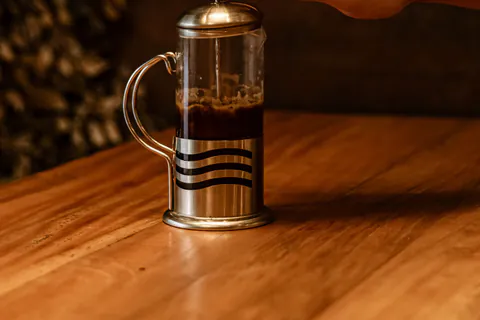
Best French press: an ESPRO double-filter glass press, a Frieling steel press and a Bodum Chambord, chosen by material, with sizes and filters from the listings.
Best milk frother: an automatic Nespresso jug, a Breville induction jug and a Subminimal handheld, chosen by type, with features read from the listings.
Best milk pitcher for latte art: Motta 350 ml, MHW-3BOMBER 16.9 oz, Rattleware 20 oz and the ESPRO Toroid, with sizes, spouts and who each suits.
Best moka pot: Bialetti Moka Express and Venus, GROSCHE Milano and Cuisinox Roma, with cup sizes in ounces and ml and which hob each suits.
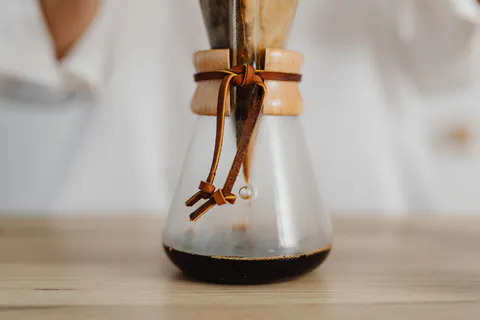
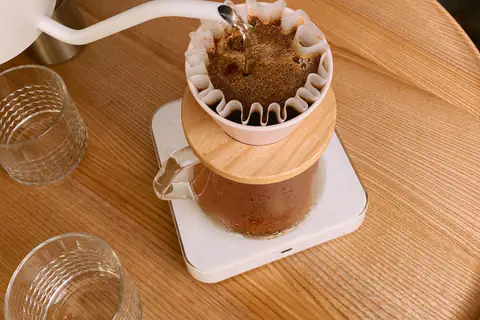
Best pour over coffee maker for beginners: Hario V60, Chemex, Kalita Wave and Bodum compared by material, size and filter, plus what else you need.
Best single dose grinder for home: DF64 Gen 2, MiiCoffee DF54 and a 1Zpresso J hand grinder, with burrs, hopper size and retention as listed.
Best super automatic espresso machine: De'Longhi Magnifica Duo, Philips 3200 LatteGo and Jura ENA 4, plus how they differ from a manual machine.
Best WDT tool: Normcore, MHW-3BOMBER and MEION needle tools plus a Normcore puck screen, with needle size, stand type and what each does.
Bottomless portafilter pros and cons: what a naked portafilter shows you, the mess and learning curve, and who should add one to a setup.
Compare Breville vs DeLonghi espresso machines by workflow, features, frothing, maintenance, and skill level to find the right fit.
A practical checklist for building a budget home espresso setup, covering priority order, where to spend, and where to save on your first machine and grinder.
Burr grinder vs blade grinder: how each works, which gives an even grind for espresso and drip, and when a blade grinder is still good enough.
A single espresso shot has about 63 to 95 mg of caffeine and a double about 125 to 190 mg. See how that compares with a cup of brewed coffee.
Learn grinder zero point calibration for better espresso and brew consistency, with practical steps, signs of a true zero, and common pitfalls.
Can you make espresso in a French press? No: espresso needs about 9 bar of pressure and a fine grind. Here is what a French press makes and the closest options.
Ceramic vs steel burrs: the real differences in grind consistency, heat, durability, flavor, and which home grinder suits your brewing style.
Chemex vs V60 explained: brew style, grind, filters, capacity, and cleanup to help home coffee buyers choose the right pour-over.
How to choose a coffee grinder when several people share it: burr type, noise, hopper capacity, settings for different brew methods, and cleanup.
Choose between bleached vs unbleached filters with a practical look at flavor, paper taste, brew flow, cleanup, and buying considerations.
Coffee cup sizes explained: a US cup is 8 fl oz (237 ml), a coffee-maker cup is about 5 to 6 fl oz. See sizes drawn to scale with an oz and ml table.
Coffee grind size chart by brew method: which grind suits espresso, moka pot, pour-over, drip and French press, and how to adjust it.
Cortado vs macchiato: a macchiato is espresso with a spot of foam, a cortado is espresso cut with about equal warm milk. See sizes in ml.
Does pour over water temperature matter? Yes—within a practical range, it affects extraction, but grind, ratio, and technique often matter more.
Drip coffee ratio: use 1 to 2 level tablespoons per 6 fl oz, or about 1:16 to 1:18 by weight. See how much coffee a 4, 8, 10 or 12-cup maker needs.
Espresso beans vs coffee beans: no special bean exists. Espresso is a brewing method, so the difference is roast choice and grind. Here is what to buy.
A seasonal buying guide to espresso machine Black Friday deals, plus the best times to watch, compare, and buy with confidence.
Espresso machine vs Nespresso: how capsule and portafilter machines differ in extraction, grinder, tank, heat-up and care, from the makers' own pages.
Common reasons an espresso machine wont reach temperature, from power and scale issues to settings, sensors, and heating faults.
Flat burr vs conical burr: what really changes in the cup, what does not, and how to choose a grinder for home espresso or filter coffee.
French press ratio: start near 1:15 (1 g of coffee to 15 g of water) with a coarse grind and about 4 minutes. Amounts for 1, 2 and 8-cup presses.
Grinder hopper size matters for convenience, freshness, and workflow—but less than burr quality, dose control, and retention.
How long do coffee beans last? The NCA says whole beans stay fresh 1 to 3 weeks and ground coffee 1 to 2 weeks at room temperature. It is about taste, not safety.
How many grams of coffee per cup? About 15 g for an 8 fl oz cup at a 1:16 ratio, plus ways to dose consistently without a scale.
About 1 level coffee scoop (2 tablespoons) per 6 fl oz of water is the top of the usual range. Check your scoop, then use our scoop table and converter.
Use 1 to 2 level tablespoons of ground coffee per 6 fl oz of water. Convert tablespoons to grams and scoops with our table and converter.
An 8 fl oz cup of brewed coffee holds roughly 75 to 165 mg of caffeine. See ranges by drink and size, then add up your own day in the calculator.
Learn a practical portafilter basket cleaning schedule, when to clean after each shot, and how to keep espresso tasting consistent at home.
Learn how to choose a water filter for espresso machine use by matching water quality, filter type, capacity, and maintenance to your setup.
Learn the main espresso machine boiler types and how to choose between single, heat exchanger, dual boiler, and thermoblock models.
How to clean a burr coffee grinder from Baratza's manuals: wash the hopper and bin, keep the burrs dry, brush them, and when to use cleaning tablets.
How to clean a French press after every brew: take the filter apart, wash it, and put the grounds in compost rather than down the drain, per NCA and EPA.
How to clean and descale a moka pot: what routine washing handles, how to remove mineral buildup, and when a deeper descale is worth it.
How to clean and descale an espresso machine: daily habits, a descaling routine, and when to follow your manual instead.
How to descale a Breville Barista Express BES870 from the Breville instruction book: solid vs flashing CLEAN / DESCALE light, button steps, rinse and cleaning cycle.
How to descale a drip coffee maker with vinegar, with the ratios three makers give, and which makers say no: check your manual first, then rinse until it smells clean.
A repeatable method for dialing in espresso grind size, dose, and yield at home, so you can find a working recipe for a new bag of beans quickly.
A step-by-step way to identify why an espresso shot tastes sour and fix it, covering grind size, dose, yield, temperature, and puck preparation.
Learn practical fixes for a slow espresso pour: grind, dose, distribution, tamping, and machine checks that actually help at home.
Espresso channeling means water finds a fast path through the puck. Learn the signs and fix it with even distribution, a level tamp and a clean basket.
How to froth milk without a frother: jar, whisk, French press, hand mixer and blender. Steps, times and milk choice from two published guides.
Learn how to store coffee beans for freshness with simple, practical steps on containers, light, heat, air, moisture, and freezing.
Keurig descale light stuck on? It goes off only after the full descale procedure. Steps for the K-Slim, K-Express Essentials and K-Café, from Keurig's guides.
Latte vs cappuccino vs flat white: the same espresso, but different milk and foam. See the cups drawn in ml and pick the one that suits you.
Latte vs mocha: a mocha is a latte with chocolate sauce. Compare the cups in ml, the milk and the chocolate, and see how to make each at home.
Compare manual vs automatic espresso machine options by routine, skill level, space, cleanup, and consistency to find the right home fit.
A practical moka pot brewing guide covering grind size, fill levels, heat control, and common mistakes, for a strong, balanced stovetop cup.
Nespresso descaling mode: how to enter and exit it on Essenza Mini, Inissia, Pixie, VertuoLine, VertuoPlus, Vertuo Next and Pop, from Nespresso's own guides.
Portafilter size guide: how 51mm, 54mm and 58mm baskets, tampers and machines fit together, and how to check which size you have.
Pour over ratio for the V60: start at 1:15 to 1:17 with a 2:30 to 3:30 brew time, then adjust grind size and pouring style to taste.
Ristretto vs long shot: a ristretto uses about half the water of a normal shot, a long shot (lungo) about double or more. Ratios, size and taste.
Practical guide to a small espresso station setup in a compact kitchen, with space-saving layout, gear choices, workflow tips, and storage ideas.
Single boiler vs dual boiler espresso machines: how brewing and steaming differ, who benefits from two boilers, and how to choose without overbuying.
What matters most for water for espresso at home: taste, hardness, minerals, filters, and a practical setup that protects flavor and your machine.
Learn what a PID controller does in an espresso machine, how it affects temperature control, and whether you actually need one at home.
Why espresso tastes burnt or ashy: roast level, grind, temperature, puck prep, water, and cleaning fixes for home espresso.
A weak, watery espresso shot is under-extracted or diluted. Check grind, dose, yield and puck prep, with a fix order you can follow shot by shot.